When Was Asbestos Banned in the UK?
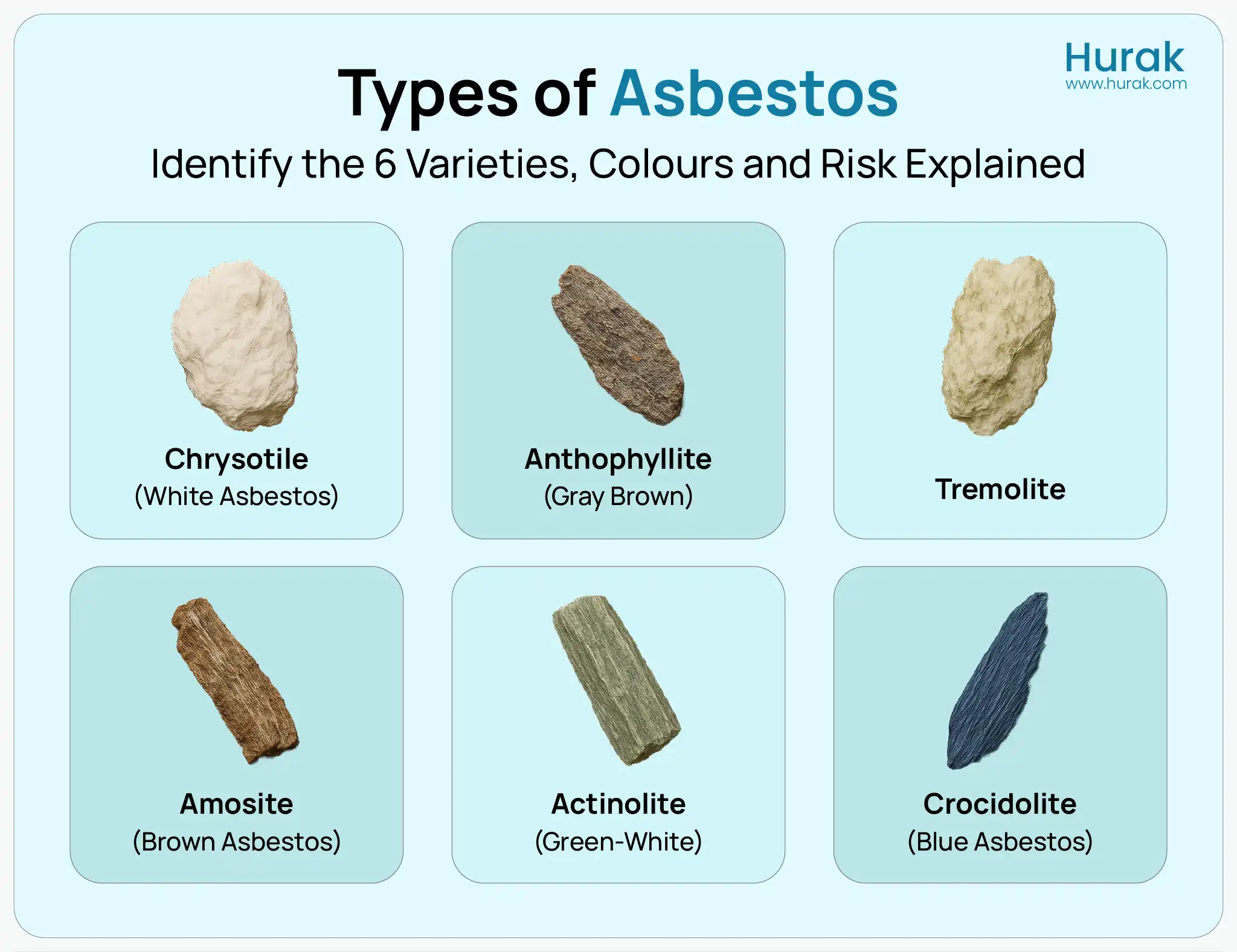
Asbestos was banned in the UK in stages— you could not legitimately import, supply, or use blue (crocidolite) and brownish (amosite) asbestos after 1985, and white (chrysotile) asbestos was totally outlawed by 1999. UK regulations tightened as clinical evidence revealed asbestos's extreme carcinogen, prompting stringent controls on work environment exposure. Even today, you'll locate asbestos in older structures, so there are detailed laws on risk-free monitoring and elimination. Stick with us to discover why these bans were necessary and their continuous effect.
Takeaways
- Blue (crocidolite) and brownish (amosite) asbestos were formally banned in the UK in 1985.
- The 1985 restriction forbade the import, supply, and use of blue and brownish asbestos.
- White asbestos (chrysotile) was not prohibited in the UK till 1999.
- The 1999 restriction, under the Asbestos (Prohibitions) (Amendment) Laws, ended all remaining legal uses of asbestos.
- Asbestos-containing materials are still present in buildings created before the 1999 restriction.
When Was Asbestos First Used in the UK?
Asbestos, a normally taking place mineral fiber, saw its very first widespread usage in the UK throughout the late 19th century with the start of the Industrial Revolution. You'll find that its introduction was carefully connected to the quick development of industrial applications, especially in production and power generation markets. Historical trade records from the late 1800s file substantial imports of asbestos fibers right into Britain, largely from Canada and South Africa, as residential need surged for fire-resistant materials. By the early 1900s, asbestos was developed in numerous sectors, such as shipbuilding and textile manufacturing, driven by its thermal and chemical resistance. Governing recognition at this phase was minimal, also as industrial dependence grew, establishing the phase for future analysis of asbestos use in the UK.
Why Was Asbestos So Popular in British Building And Construction?
You'll find that asbestos gained prevalent usage in British building due to its outstanding protecting residential properties and resistance to warm. It's also important to note that asbestos was thought about an extremely cost-effective structure product, making it appealing for large tasks. Regulative records from the mid-20th century consistently mentioned these advantages when validating its substantial application across the sector.
Exceptional Shielding Features
While numerous products were readily available to builders throughout the twentieth century, few matched the exceptional insulating homes of asbestos, making it a staple in British construction. If you check out historic building methods, you'll discover asbestos was preferred due to its remarkable thermal resistance and fire retardancy. These attributes permitted structures to fulfill significantly strict building codes concentrated on resident security and energy effectiveness. Regulative requirements emphasized products that could withstand high temperature levels and stop fire spread, and asbestos constantly supplied on these needs.
- Asbestos fibers supplied high thermal resistance, reducing warmth loss in walls, roof coverings, and pipeline insulation.
- Its fundamental fire retardancy reduced ignition risks, assisting buildings follow fire safety laws.
- The product's stability under changing temperatures maintained insulation performance over extended periods.
This technical superiority explains asbestos's prevalent usage.
Cost-efficient Building Product
Driving down building and construction costs, manufacturers and home builders throughout the UK quickly embraced asbestos for its cost and accessibility. corrugated asbestos removal If you're taking into consideration why asbestos became so widespread, it's clear: its low cost factor made it the go-to choice for budget-friendly insulation and budget plan remodellings, specifically throughout the post-war building boom. Asbestos products might be produced at range, slashing material expenditures and making compliance with early structure guidelines much easier.

Residential property
Benefit
Regulatory Influence
Affordable
Minimized develop costs
Met economic targets
Conveniently Readily available
Quick purchase
Streamlined supply chain
Insulation Quality
Enhanced energy cost savings
Passed safety and security criteria
Ultimately, the financial incentives behind asbestos use outweighed early health problems, guaranteeing its supremacy in British building and construction until regulatory action highlighted the threats.
What Illness Are Connected to Asbestos Exposure?
Because asbestos fibers are tiny and conveniently breathed in, exposure can cause major and often fatal health and wellness problems. When you're around disturbed asbestos, you're at danger of conditions that develop years after initial get in touch with. One of one of the most severe outcomes is occupational mesothelioma, an uncommon cancer cells primarily impacting those who've worked directly with asbestos-containing materials. Also if you haven't handled asbestos yourself, environmental contamination-– such as living near old commercial websites— can place you in jeopardy.
Common health issue connected to asbestos exposure consist of:
- Mesothelioma: A cancer cells impacting the lining of the lungs or abdomen, strongly linked with occupational direct exposure.
- Asbestosis: Modern lung scarring that hinders breathing, brought on by long-lasting inhalation of fibres.
- Lung cancer: Elevated threat for those subjected to asbestos, especially smokers.
Just How Did People Recognize Asbestos Threatened?
Although asbestos was as soon as commemorated for its fireproof residential properties, very early indication concerning its dangers started becoming far back as the late 19th century. If you take a look at work stories from this era, you'll observe records of employees in asbestos factories suffering from consistent respiratory problems. These accounts weren't isolated— patterns began to show up, prompting medical specialists to investigate better. By the early 20th century, developments in clinical diagnostics allowed physicians to connect particular lung illness directly to asbestos exposure. Postmortem examinations revealed lung scarring and fibrosis in damaged employees, strengthening the medical situation versus asbestos. As awareness grew, you would certainly discover scientific literature documenting these health and wellness threats, which pushed regulative bodies to take the risks seriously. This evidence-based understanding was critical in forming future regulatory actions.
When Did the UK Beginning Controling Asbestos?
As installing evidence of asbestos-related health and wellness dangers came to be impossible to ignore, the UK initiated its first regulative feedback with the Asbestos Industry Rules in 1931. These regulations focused on managing workplace exposure, especially in asbestos fabric manufacturing facilities. You'll see this was a pivotal governing turning point, as it presented steps like ventilation needs and medical surveillance for exposed workers. Over the years, additional governing landmarks complied with, each tightening up controls and expanding the range of security.
Trick advancements included:
- The Factories Act 1961, which widened work environment defenses for those handling asbestos.
- The Asbestos Laws 1969, establishing specific direct exposure limitations and hygiene criteria.
- The Control of Asbestos at the workplace Regulations 1987, which mandated risk analyses and more stringent monitoring.
These actions laid the foundation for succeeding, more exhaustive restrictions.
When Was Blue and Brown Asbestos Banned in the UK?
You'll wish to keep in mind that the UK formally announced the ban on blue (crocidolite) and brownish (amosite) asbestos in 1985. This regulatory activity required immediate cessation of importation and brand-new usage across all sectors. The restriction marked a considerable transition for manufacturers and construction firms, who had to quickly adapt to alternate products.
Official Restriction News Date
Despite the prevalent recognition of asbestos hazards in the UK throughout the 20th century, the official restriction on blue (crocidolite) and brown (amosite) asbestos was formally announced in 1985 under the Asbestos (Restrictions) Laws. When you take a look at the asbestos timeline, this announcement marked a pivotal governing milestone. The government's decision was based in mounting clinical proof and considerable public wellness worries, resulting in guide policy ramifications for markets and safety requirements. The 1985 policies specifically restricted the import, supply, and use of these 2 most hazardous sorts of asbestos. Right here's what you ought to learn about the official ban statement:
- The ban worked immediately after the announcement in 1985.
- Just blue and brownish asbestos were consisted of in this first policy.
- This action designed future asbestos policy in the UK.
Immediate Influence On Sector
With the 1985 restriction on blue and brownish asbestos entering into force, UK industries had to rapidly adjust their operations to follow the brand-new policies. You would certainly have run into substantial obstacles, specifically relating to task losses as firms based on asbestos products dealt with unexpected closure or restructuring. The supply chain was disrupted, requiring you to resource alternate materials and veterinarian new providers, which often increased expenses and triggered delays. Training needs became a top concern; your workforce needed prompt education on risk-free handling, removal, and disposal treatments in conformity with progressing regulation. The ban additionally compelled you to enhance your safety society, driving a change towards rigorous danger assessments and recurring monitoring. Governing conformity came to be central to operational planning, ensuring long-term employee security and sector track record. asbestos testing
When Was White Asbestos Finally Prohibited?
Although numerous forms of asbestos had already faced constraints, white asbestos-– officially called chrysotile-– wasn't banned in the UK until 1999. Until that factor, you can legally use, import, and supply chrysotile because of governing delays and market lobbying. The 1999 ban shut legal technicalities that had allowed its limited use, especially in structure materials. Nevertheless, structures created before this date may still have chrysotile, increasing continuous worries regarding tradition elimination and risk-free management.
- The 1999 ban was passed with the Asbestos (Restrictions) (Amendment) Regulations.
- Prior to 1999, only blue (crocidolite) and brown (amosite) asbestos had full bans.
- Tradition removal of white asbestos remains a substantial governing obstacle, requiring accredited contractors and stringent compliance to ensure public safety and security.
You require to be mindful of these historic regulatory adjustments.
How Are Asbestos Rules Implemented in the UK Today?
You'll find that asbestos guidelines in the UK are enforced via rigorous oversight by agencies such as the Health And Wellness and Security Exec (HSE). Regular assessments and conformity checks assure that obligation owners satisfy legal demands, and violations can lead to significant penalties, consisting of penalties and prosecution. Understanding these enforcement devices is vital if you're liable for taking care of asbestos threats.
Regulatory Oversight And Agencies
Since asbestos positions significant wellness threats, its law in the UK is strictly applied by a number of vital firms, mainly the Wellness and Safety And Security Executive (HSE). For many years, regulatory development has actually shaped a framework where company sychronisation is crucial for efficient oversight. The HSE leads enforcement under the Control of Asbestos Rules 2012, assuring work environments abide by legal obligations. Other agencies, such as regional authorities and the Environment Agency, assistance HSE by concentrating on certain environments and waste monitoring. You'll find that rigorous inter-agency interaction aids keep high conformity requirements.
- HSE develops and updates asbestos regulations, providing technical guidance and enforcement.
- Local authorities keep an eye on non-industrial properties and public buildings.
- The Environment Agency supervises asbestos waste monitoring and environmental controls.
These companies assure durable, coordinated asbestos regulation throughout the UK.
Inspection And Conformity Checks
Performing inspections is central to just how UK authorities apply asbestos regulations today. You'll discover that the Health and wellness Exec (HSE) carries out both announced and unannounced website brows through, concentrating on high-risk sectors and facilities with well-known asbestos exposure. Survey scheduling is systematic, typically prioritised based upon previous danger analyses or event reports. Throughout evaluations, you'll be anticipated to reveal records of asbestos studies, proof of recurring danger administration, and proof that your staff has actually completed conformity training. Assessors also examine your procedures for keeping an eye on asbestos-containing materials and making sure safe job practices. Routine compliance checks assist guarantee companies and obligation owners adhere to the Control of Asbestos Regulations 2012, keeping a safe setting for employees and the general public by proactively handling asbestos risks.
Charges For Violations
Enforcement of asbestos laws in the UK relies upon a durable system of fines designed to deter non-compliance and safeguard public health and wellness. If you fall short to satisfy your legal responsibilities under the Control of Asbestos Rules 2012, you'll face considerable repercussions. The Health And Wellness and Security Exec (HSE) rigorously imposes these guidelines, using legal penalties and, in extreme instances, criminal fines. Fines are in proportion to the risk and damage triggered by violations, reflecting the gravity of asbestos direct exposure threats.
Here's what you might face if you breach asbestos regulations:
- Substantial criminal fines, typically reaching limitless amounts relying on the extent of the offense.
- Feasible jail time for major or repeated violations of asbestos regulations.
- Restriction or suspension of company operations up until compliance is achieved.
Where Is Asbestos Still Found in UK Houses and Buildings?
Exploring the textile of UK homes and buildings, you'll usually locate that asbestos-containing materials (ACMs) stay existing, particularly in buildings created prior to the year 2000. Evidence shows that roof insulation, pipeline lagging, floor tiles, and textured coatings are among one of the most common locations where asbestos may still be concealed. You'll see that these materials were widely used for their durability and fire-resistant residential or commercial properties. Governing bodies, such as the Health And Wellness Exec (HSE), recognize these ACMs as high-risk if disturbed, given that fibres can come to be airborne and hazardous. It is very important to recognise that, despite the UK ban on asbestos, laws need continuous management and monitoring of existing ACMs in both residential and non-domestic properties to guarantee safety and security and legal compliance.
What Should You Do If You Discover Asbestos in your house?
If you think asbestos in your house— whether in insulation, floor tiles, or distinctive layers— it's important to approach the scenario with caution and comply with lawful needs. Disturbing asbestos-containing materials can launch dangerous fibres, enhancing health dangers such as lung disease and cancer cells. Under UK regulations, you should not attempt asbestos elimination yourself, as only accredited professionals are authorized to deal with and deal with it securely.
To protect on your own and conform with the legislation:
- Do not disturb the believed product; stay clear of exploration, sanding, or breaking it.
- Call a certified asbestos land surveyor **** to assess and confirm the existence of asbestos.
- Arrange specialist asbestos removal **** if needed, ensuring all work is done according to Health and wellness Exec (HSE) standards.
Always prioritise your safety and security and governing compliance.
Why Does Asbestos Stay an Issue in the UK Today?
Although making use of asbestos has actually been banned for decades, it stays a substantial concern across the UK due to its widespread presence in structures constructed prior to the restriction. You'll find that tradition contamination is a persistent concern, as asbestos-containing products (ACMs) are still present in homes, colleges, and public structures. When these materials are disrupted, harmful fibres can be released, posing ongoing health and wellness dangers. Governing bodies, such as the Health And Wellness Exec (HSE), impose rigorous standards for managing and getting rid of ACMs, yet enforcement alone isn't enough. Area awareness is important— you require to acknowledge prospective asbestos dangers and follow appropriate treatments if you think its existence. Without increased watchfulness and education and learning, the risks of legacy contamination will continue to impact both current and future generations.
Exactly how Has the UK Asbestos Ban Improved Public Health And Wellness? https://mertonasbestosremoval.co.uk/services/soft-strip-demolition.html

Regularly mentioned by public health and wellness authorities, the UK's asbestos ban has led to measurable enhancements in populace health and wellness outcomes. By strictly controling asbestos use and implementing exhaustive exposure reduction approaches, you've seen substantial decreases in asbestos-related illness. The Health And Wellness Exec (HSE) records reducing rates of mesothelioma and asbestosis among younger mates, straight tied to regulatory treatments. get help here Evidence shows that the ban not only protects against new situations yet likewise reduces the lasting problem on medical care sources.
Take into consideration these crucial advantages:
- Reduced work and environmental asbestos direct exposure, decreasing your threat of respiratory illness.
- Improved work environment security requirements, making sure conformity across markets.
- Minimized occurrence of mesothelioma and related cancers, boosting total public health and wellness metrics.
The UK's regulative strategy shows the straight web link between exposure reduction and improved health outcomes.
Often Asked Inquiries
Can I Legitimately Import Asbestos-Containing Products Into the UK Today?
You can not legally import asbestos-containing products into the UK today. The legal importability is purely prohibited under the Control of Asbestos Laws 2012. UK custom-mades enforcement actively screens and confiscates any kind of deliveries believed of having asbestos, guaranteeing compliance with these laws. Trying to import such products risks criminal prosecution, heavy penalties, and destruction of the items. Constantly validate item web content and seek advice from updated regulatory advice before thinking about worldwide deliveries to the UK.
Exist Any type of Exceptions to the Asbestos Ban in the UK?
No, you usually will not discover asbestos exceptions in the UK today. The Control of Asbestos Rules 2012 forbids the import, supply, and use all asbestos kinds. There are no regular restricted uses permitted. The only exceptions are for very certain, strictly controlled activities like working with asbestos currently in position before the ban, under qualified problems. Also then, you'll face rigorous regulative oversight and has to follow extensive safety and security procedures.
That Is In Charge Of Asbestos Removal Costs in Rental Features?
You're usually exempt for asbestos elimination expenses as a tenant; under UK regulations, property managers must manage asbestos threats in rental properties. Renter responsibility may just arise if your actions directly disrupt asbestos-containing materials. Proprietor insurance might cover elimination prices, however this depends on the certain policy. The Control of Asbestos Regulations 2012 details these obligations, so property owners should organize studies, threat assessments, and elimination by accredited experts to ensure conformity and renter safety.
What Industries Were The Majority Of Influenced by the UK Asbestos Ban?
If you envision the asbestos restriction as a quake, the construction industry and shipbuilding backyards felt the strongest shockwaves. These fields depended heavily on asbestos for insulation and fireproofing, so you would certainly see guidelines significantly improving their health and wellness protocols. Factories, power terminals, and train firms also dealt with sweeping changes. You're needed to adhere to strict control measures currently, as governing bodies enforce compliance to protect employees from asbestos-related illness.
Just How Can I Become Certified to Take Care Of Asbestos in the UK?
To come to be licensed to take care of asbestos in the UK, you'll need to complete asbestos accreditation through accredited training service providers. Beginning by selecting a qualification path based on the jobs you'll perform— either non-licensed or licensed asbestos work. For accredited job, you need to benefit a certified contractor and complete details UKATA or BOHS courses. Training covers regulative compliance, risk evaluation, and secure handling, guaranteeing you fulfill all Health and wellness Executive (HSE) requirements.